
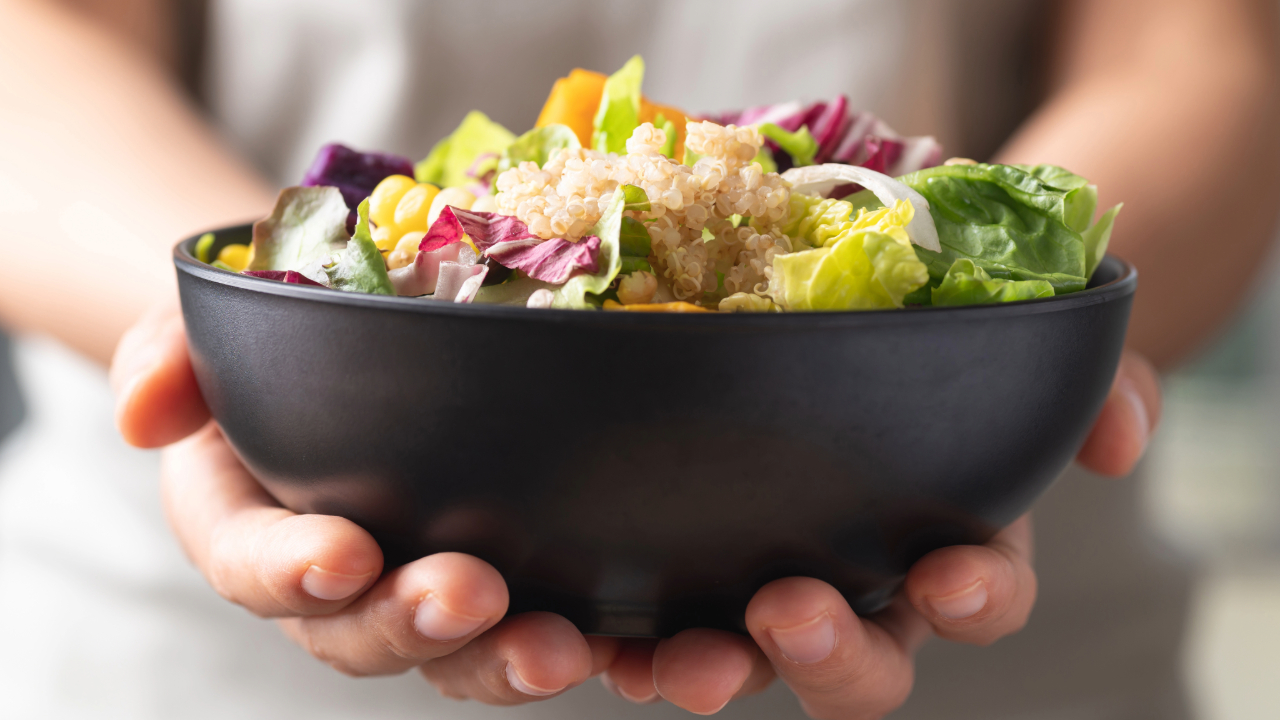
Foods That May Be Making You Feel Depressed (And What to Eat Instead)
Jan 06, 2026
The Hidden Link Between Food & Mood
How your daily food choices may be quietly influencing your emotional well-being
🧠 Your mood is not just emotional — it's biochemical.
If you often feel low, drained, anxious, foggy, or unmotivated, your daily food choices may be quietly influencing how your brain functions.
Emerging research shows strong links between diet, inflammation, gut health, and mood regulation. Modern eating habits — high in sugar, fast food, and ultra-processed ingredients — may contribute to emotional imbalance over time.
Let's explore foods commonly associated with low mood and what you can choose instead to support emotional well-being.
Why This Matters More Than You Think
Nearly 90% of serotonin, the "feel-good" neurotransmitter, is produced in the gut — not the brain.
When your diet lacks fiber, promotes inflammation, or disrupts gut bacteria, it may affect mood stability, energy levels, and emotional resilience.
This doesn't mean food causes depression — but it can support or strain your mental health.
1. Sugar: The Emotional Roller Coaster
Sugar provides a quick dopamine hit — followed by a crash.
How excess sugar may affect mood:
- Blood sugar spikes lead to fatigue and irritability
- Increased inflammation throughout the body
- Disrupted gut bacteria balance
- Dependency cycles linked to mood swings
Over time, high sugar intake has been associated with anxiety, low motivation, and emotional lows.
🚫 Common Hidden Sources
• Sodas & energy drinks
• Flavored coffee drinks
• Packaged desserts
• "Healthy" bars & cereals
✅ Better Swaps
• Fresh fruit
• Dates
• Cinnamon
• Raw honey (in moderation)
2. Fast Food: Fiber-Less & Mood-Draining
Fast food fills the stomach — but starves the gut.
Why fast food may impact emotional health:
- Extremely low in fiber
- High in refined carbs & seed oils
- Promotes chronic low-grade inflammation
- Weakens gut-brain communication
A fiber-poor diet may reduce beneficial gut bacteria — which play a role in serotonin and dopamine production.
3. Processed Foods: Nutrient-Poor, Inflammation-Rich
Ultra-processed foods are engineered for shelf life — not mental health.
Potential effects on mood:
- Increased oxidative stress
- Nutrient depletion (magnesium, B-vitamins)
- Altered gut microbiome
- Higher inflammatory markers
Studies suggest diets high in ultra-processed foods are associated with higher rates of depression and anxiety.
4. Popcorn & Corn-Based Foods: Often Pro-Inflammatory
Corn isn't inherently bad — but modern corn products are heavily processed.
Why corn-based foods may be problematic:
- High in omega-6 fatty acids (inflammatory imbalance)
- Often genetically modified
- Commonly refined into oils, syrups, additives
- Low micronutrient density
Common corn-derived foods: microwave popcorn, corn syrup & HFCS, corn chips & tortillas, corn oil, processed cereals
⚠️ Plain, air-popped popcorn is generally fine in moderation.
🚫 The issue lies in processed, flavored, and oil-heavy versions.
Inflammation & Mood: The Hidden Link
Chronic inflammation may interfere with serotonin production, increase stress hormones, and reduce emotional flexibility.
This can show up as:
- Persistent low mood
- Brain fog
- Anxiety
- Emotional numbness
Simple Food Swaps for Better Mood
Small, consistent changes matter more than perfection.
Foods That Support Emotional Well-Being 🌿
Focus on adding, not just avoiding:
- 🥬 Leafy greens
- 🍓 Berries
- Nuts & seeds
- Fermented foods (yogurt, kefir, kimchi)
- Omega-3 sources (walnuts, flaxseeds)
- Warm, nourishing meals
Frequently Asked Questions
Can food alone cause depression?
No. Depression is complex. Diet may play a supportive role alongside lifestyle, mental health care, and stress management.
Is popcorn always bad for mental health?
No. Plain, air-popped popcorn in moderation is usually fine.
How long before diet changes affect mood?
Some people notice shifts within weeks, but responses vary.
Final Thought
Your plate sends signals to your brain — every day. Choosing nourishing alternatives may support emotional balance, clarity, and resilience over time.
About the Author
Written by a wellness educator focused on gut health, holistic nutrition, and mind-body practices.
This article is for educational purposes only and does not replace professional medical advice.
Don't miss a beat!
New moves, motivation, and classes delivered to your inbox.
We hate SPAM. We will never sell your information, for any reason.